


When choosing structural reinforcement materials for construction, bridge maintenance, and industrial load-bearing structures, most engineers only focus on immediate tensile strength and surface durability, ignoring hidden aging risks, environmental degradation, and long-term bonding stability that silently reduce overall safety. Many low-grade composite panels fail prematurely after 2–5 years of outdoor service, leading to costly secondary repairs, structural hidden dangers, and unexpected construction delays. Selecting reliable, high-performance reinforcement panels directly determines the service life and safety reserve of the entire engineering structure, making material screening one of the most critical pre-construction decisions.
High modulus carbon fiber composite laminate solves widespread pain points that ordinary FRP plates cannot address, including poor creep resistance under continuous high load, brittle fracture under temperature fluctuation, and weak corrosion resistance in humid and acidic environments. Unlike conventional reinforcement materials that degrade rapidly in coastal, chemical plant, or rainy regions, this carbon fiber composite panel maintains stable mechanical properties across extreme temperature ranges, frequent humidity changes, and long-term static pressure. It eliminates frequent maintenance cycles that plague traditional steel reinforcement and ordinary fiberglass plates, greatly lowering full-life cycle engineering costs.
Most construction teams misunderstand carbon fiber reinforcement materials, believing all carbon fiber plates share identical modulus and load-bearing performance. In reality, modulus grade directly decides anti-deformation ability, seismic buffering effect, and structural reinforcement efficiency. Low-modulus products bend easily under heavy pressure, causing structural settlement and cracking, while mismatched elastic modulus with concrete creates separation layers between bonding surfaces. Professional engineering reinforcement demands standardized high-modulus carbon fiber materials to match concrete deformation characteristics and achieve coordinated stress bearing.
AJFPT Advanced Composite Materials Technology specializes in customized high-modulus carbon fiber composite products manufactured with integrated high-temperature molding processes, avoiding layered delamination, glue separation, and internal pore defects common in hand-made composite plates. Strict raw material screening and precise density control ensure each finished panel has uniform internal stress distribution, consistent tensile modulus, and ultra-low long-term creep rate. Every batch undergoes tensile testing, aging simulation, corrosion resistance detection, and flatness inspection before leaving the factory, fully meeting national and international structural reinforcement specification standards.
A large number of actual engineering cases prove that improper carbon fiber plate selection directly causes post-reinforcement structural cracking, adhesive peeling, and insufficient seismic performance. Many projects use cheap thin plates to cut costs, overlooking fatigue resistance under repeated vehicle loads, wind loads, and seismic shocks. Continuous alternating stress accelerates material fatigue damage, shortening structural service life sharply. High-modulus carbon fiber composite laminates feature outstanding fatigue resistance and dimensional stability, adapting to lifelong cyclic load changes of bridges, building beams, slabs, and columns without performance attenuation.
Performance Comparison Table of Common Structural Reinforcement Materials
| Material Type | Tensile Modulus | Corrosion Resistance | Long-term Creep Performance | Outdoor Service Life | Construction Difficulty |
|---|---|---|---|---|---|
| Ordinary Steel Plate | Poor | Weak, easy to rust | High creep deformation | 15–25 years | High, heavy construction load |
| Ordinary FRP Composite Plate | Medium | General | Obvious deformation under long load | 10–18 years | Medium |
| Low-modulus Carbon Fiber Plate | Low | Excellent | Unstable stress deformation | 20–30 years | Low |
| High-modulus Carbon Fiber Composite Laminate | Ultra-high | Outstanding anti-corrosion | Nearly zero creep | 50+ years | Lightweight & simple construction |
Deep structural problems hidden behind surface reinforcement effects include interface bonding aging, material modulus mismatch, ultraviolet aging degradation, and seismic coordination mismatch. Concrete structures naturally shrink and deform with age; if reinforcement material cannot follow synchronous deformation, gaps will gradually expand, losing reinforcement effect completely. High-modulus carbon fiber panels perfectly match concrete elastic deformation rules, maintaining tight bonding for decades without separation, falling off, or stress concentration damage.
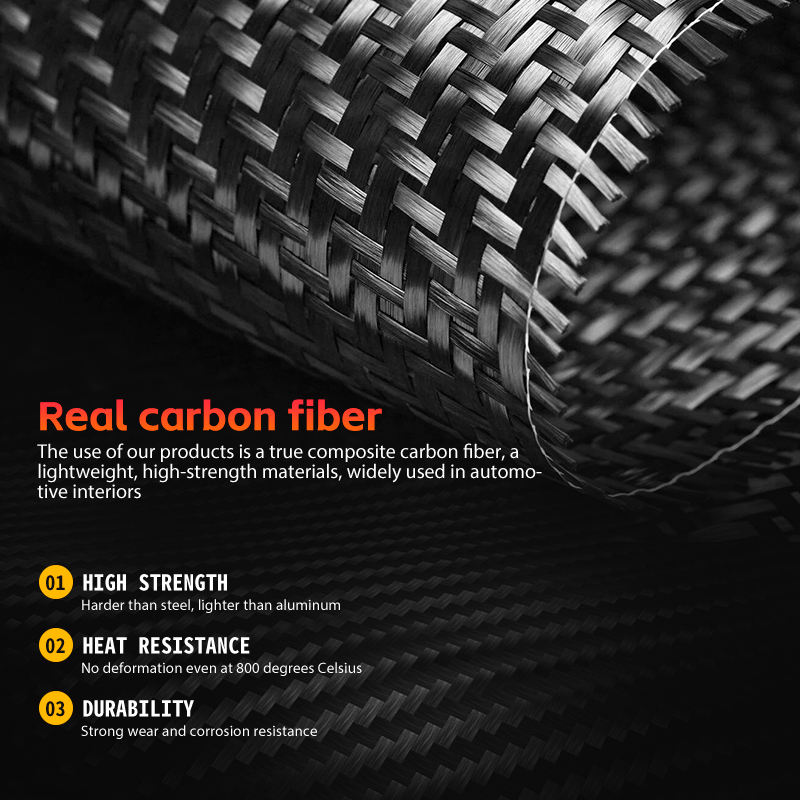
Humid underground environments, coastal salt spray, industrial acid-base gas, and freeze-thaw cycles are major natural killers of structural reinforcement materials. Steel corrodes rapidly, ordinary resin plates yellow and crack, while high-modulus carbon fiber composite plates resist acid, alkali, salt corrosion, high and low temperature alternation, and ultraviolet radiation permanently. They remain intact and stable in harsh outdoor and underground environments, no anti-rust treatment required, no regular maintenance needed.
For bridge reinforcement, building seismic upgrading, ancient building protection, and large-span beam reinforcement projects, lightweight high-modulus carbon fiber panels reduce structural additional weight greatly. Unlike heavy steel plates that increase beam load burden, carbon fiber composite plates hardly add dead weight to original structures, avoiding secondary settlement risks while greatly improving bending resistance, shear resistance, and seismic safety. Integrated molding structure also ensures seamless stress transmission, avoiding local damage caused by splicing gaps.
Long-term engineering return on investment relies not on low upfront material prices, but on low maintenance frequency, ultra-long service life, and zero safety accidents. High-modulus carbon fiber composite reinforcement panels reduce later repair, reinforcement, and replacement expenses comprehensively, becoming cost-effective optimal solutions for infrastructure reinforcement, old building renovation, and disaster-resistant structural upgrading. Stable and reliable material performance protects engineering safety for decades, avoiding huge economic losses caused by sudden structural failures.